
Marennes d’oléron oysters
the speciality of Oléron
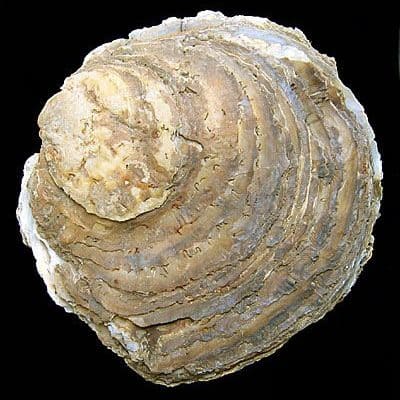
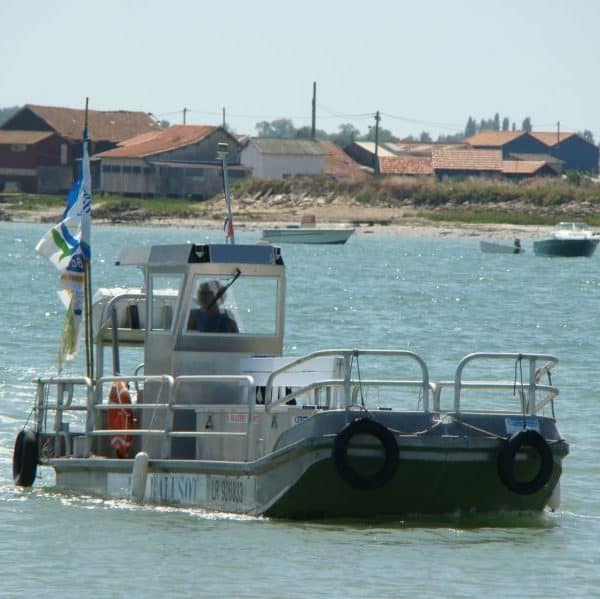
the Rolls Royce of French oyster farming!
Tasting Marennes oléron oysters
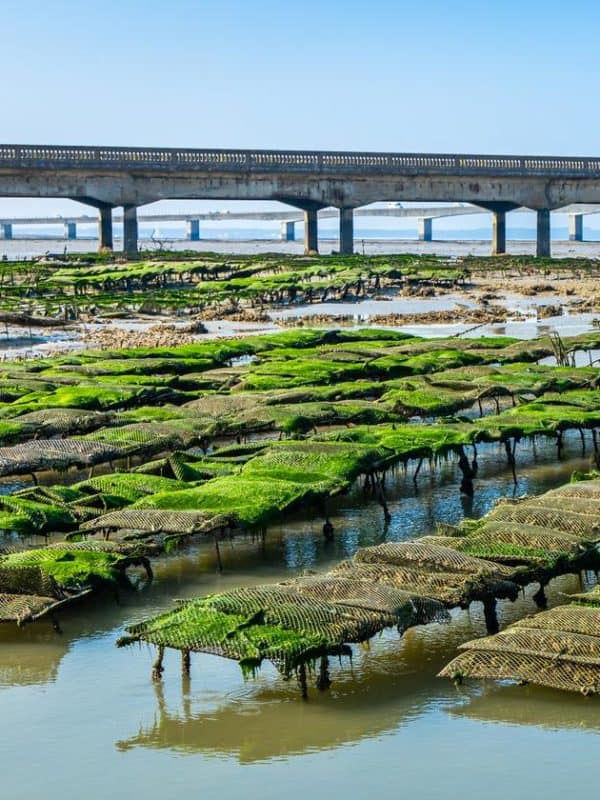
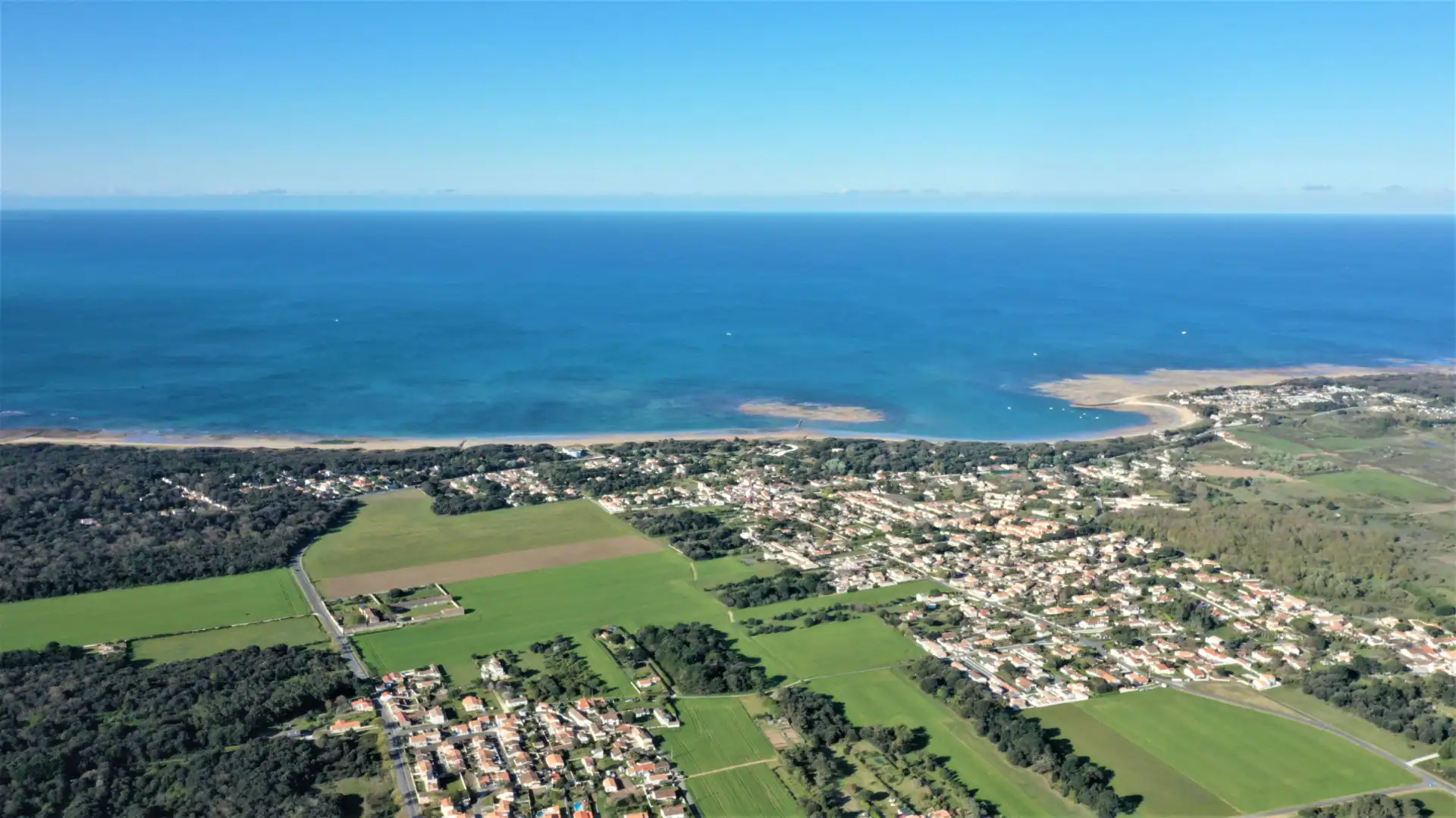
The oyster beds of the Bassin d’Oléron cover 30 km² and are located between the Gironde and Charente estuaries and on part of the island.
Take advantage of your camping holiday on the Ile d’Oléron to sample some of France’s finest oysters. A few dozen oysters brought back to the campsite will delight the whole family!
Marennes-Oléron: A quality label
The“Marennes-Oléron” appellation complies with strict specifications: they must be raised on the French Atlantic coast, matured in claires in one of the 27 communes of the basin, packaged in the Marennes-Oléron zone and have a satisfactory filling index (meat content).
These oysters are known as “creuses” and, after various maturing processes, become “Fines de claire”, “Fine de claire verte”, “Spéciales de claire” or “Pousse en claire”.
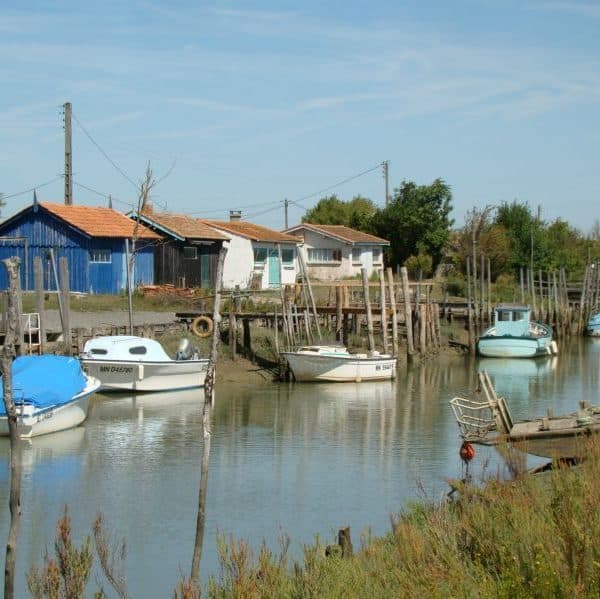
Breeding in landscaped pens
History of oysters in the Oléron basin
They have been around since ancient times, reproducing abundantly on the wild banks of the Charente coastline. They were collected as and when needed.
it was in the 18th century that man first came up with the idea ofbreeding oysters in parks set up in abandoned salt marshes. But the development ofoyster farming as we know it only began in the 19th century, when Napoleon III laid the foundations for the reorganization of the maritime domain. The liming technique for collecting oysters was then introduced to oyster farms.
With the advent of the railroads, production could be transported more easily to supply Parisian salons, as the wealthy classes were the main consumers of oysters.
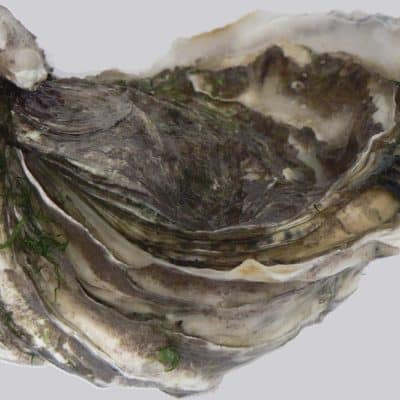

Unique oysters!
Originally a flat oyster
Marennes oysters, they’re unique!
Originally, theOléron oyster was flat. After a shipwreck, a cargo of tainted Portuguese oysters was thrown overboard. They acclimatized so well that they proliferated all along the Charente coast. In 1920, an epidemic (epizootic) decimated the green marennes and the Portuguese oyster, faster-growing and easier to raise than the flat oyster, boosted production spectacularly. In the meantime, oysters had become an everyday consumer product, accessible to the entire population.
A new epidemic hit the basin in 1970.
Japanese oysters then took over production in the Charente region.

ENvie de gourmandise?
Tasting Marennes d’Oléron oysters
There are 5 different breeds in this vast basin. The Fine de Claire, the Fine de Claire verte, the Spéciale de Claire, the Pousse en Claire and the creuse oyster. Each of these breeds has its own characteristics and taste properties. Nearby restaurants will be proud to offer you plates of fresh Marennes-Oléron oysters for your gourmet pleasure.
Purists believe that rawoysters should be eaten plain, without any accompaniments. However, they are often eaten with a drizzle of lemon juice or shallot vinegar, with a slice of lightly buttered rye or fig bread… Nothing more, so as not to distort the taste. For even greater enjoyment, accompany your oysters with a chilled white wine…
During your stay in a mobile home or campsite in Charente Maritime, take advantage of this geographical proximity to visit Marennes-Oléron and discover the different varieties of oysters.
Visit the Marennes-Oléron oyster website for more details.
Oysters marennes Oléron in Charente Maritime.